For many people living with a chronic condition, healthcare is organised around appointments. A consultation. A measurement. A treatment decision. Then home — often for weeks or months before the next scheduled contact.
For many people living with a chronic condition, healthcare is organised around appointments.
A consultation. A measurement. A treatment decision. Then home — often for weeks or months before the next scheduled contact.
But chronic diseases do not pause between appointments.
Symptoms can change. Medication can become difficult to manage. Daily routines can shift. Small warning signs can gradually become more significant.
The question is not only what happens during a medical appointment. It is what happens in between.
Chronic disease is continuous. Care often isn't.
Conditions such as cardiovascular disease, diabetes or heart failure require ongoing attention.
Yet traditional care is often episodic. A clinician sees the patient at specific points in time and makes decisions based on the information available at that moment.
That clinical encounter is important. But it is also a snapshot.
What happens afterwards can be just as important.
A patient may notice increasing fatigue, changes in symptoms or difficulties with medication. They may not know whether these changes are significant enough to contact their healthcare team. By the time the next appointment arrives, important information may already have been missed.
This is where continuous care can make a difference.
Supporting patients between visits
Continuous care does not mean replacing appointments or asking clinicians to monitor every patient every minute.
It means creating better connections between clinical encounters.
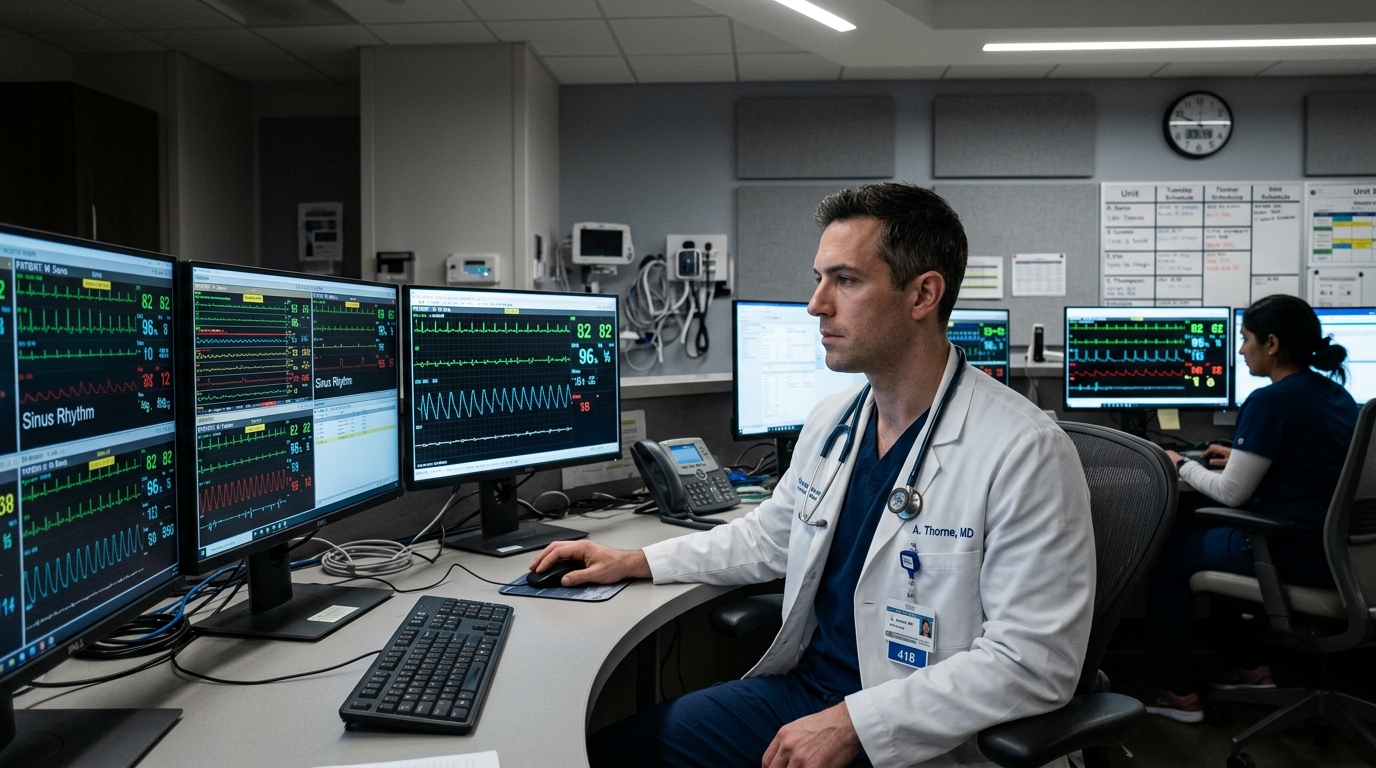
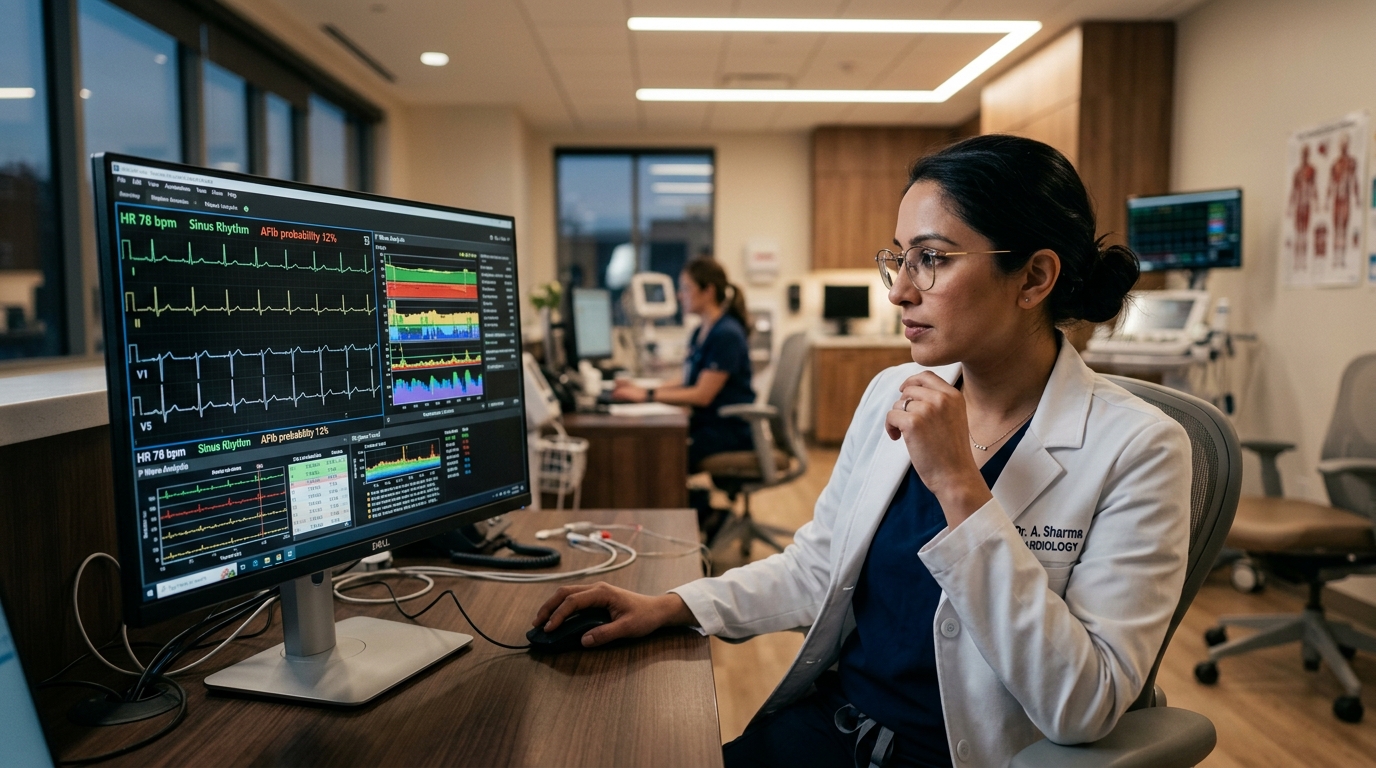
Digital tools and remote monitoring can help patients record relevant information from their everyday lives. AI can help organise and interpret this information, identify meaningful changes and highlight situations that may deserve attention.
For patients, this can provide greater visibility into their own health and support self-management.
For healthcare professionals, it can provide a more continuous picture rather than relying only on occasional snapshots.
From monitoring to meaningful action
More monitoring is not automatically better.
A healthcare professional does not need hundreds of additional data points. They need to know when something meaningful has changed.
The value of intelligent monitoring therefore lies in turning continuous information into useful signals.
For example, instead of simply collecting measurements, a system may help identify a pattern that could warrant closer attention or a review of the care plan.
The aim is not to create another source of alerts.
It is to help ensure that relevant changes do not disappear into the gap between appointments.
A stronger connection between patients and care teams
Continuous care can also change the relationship between patients and healthcare professionals.
Instead of the next appointment being the first opportunity to discuss everything that has happened since the previous visit, relevant information can become part of an ongoing care process.
This can support earlier conversations and more informed decisions.
It can also give patients greater confidence that changes in their condition are not being overlooked simply because they occur outside the clinic.
AI as a support layer — not a replacement for care
AI has an important role to play, but its role should be clearly defined.
It should not replace clinical judgement or turn healthcare into an automated process.
Instead, AI can help connect information, identify patterns and support timely escalation when appropriate.
The clinician remains central.
The patient remains central.
Technology provides an additional layer of support around them.
Towards more proactive chronic care
The future of chronic disease management may depend less on seeing patients more often and more on making the periods between appointments more meaningful.
Continuous monitoring, patient engagement and responsible AI can help move care from a purely reactive model towards one that is more proactive and personalised.
The goal is simple:
Don't wait for the next appointment to understand what has been happening since the last one.
Healthcare should be able to support people throughout their health journey — not only at the moments when they enter a clinic.
Chatdok develops physician-led AI solutions designed to support continuous, proactive and personalised care for people living with chronic conditions.

 Research & Outlook
  Research & Outlook
  Research & Outlook