The AI Care Layer Between Hospital Discharge and Recovery
ChatDok-Navigator provides AI-powered post-discharge support and longitudinal care coordination for health systems, hospitals, and insurers. It keeps patients engaged, captures what happens at home, coordinates follow-up, and routes relevant information to care teams — helping organizations extend care beyond the hospital without adding another layer of manual follow-up.
A digital care layer that stays with the patient
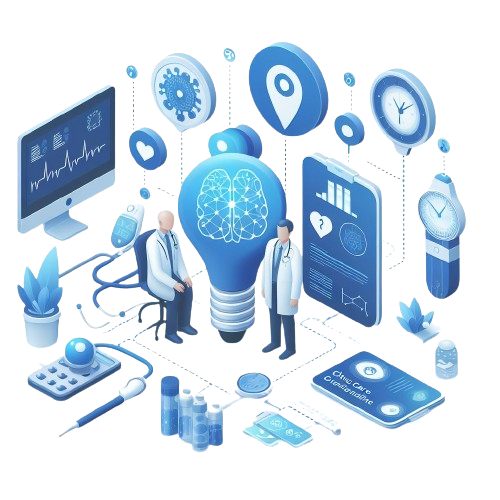
ChatDok-Navigator creates a continuous connection between the healthcare organization and the patient after discharge.
Navigator turns a one-time discharge event into a longitudinal care journey.
Designed for Clinical Teams
Navigator is not an autonomous clinician. It is a care coordination layer designed to reduce repetitive follow-up work and give healthcare professionals greater visibility into what happens between encounters.
For Care Teams
- Structured patient updates
- Longitudinal visibility
- Configurable escalation pathways
- Automated patient engagement
- Prioritized follow-up
- Reduced manual check-ins
- Integration with existing workflows
For Hospitals
- Standardized post-discharge pathways
- Scalable patient follow-up
- Configurable therapeutic programs
- Better continuity across departments
- Digital documentation and coordination
- Deployment without new patient hardware
For Insurers
- Continuous member engagement
- Structured post-discharge support
- Care pathway coordination
- Earlier visibility into patient-reported issues
- Outcome and utilization monitoring
- Opportunities to support value-based care models
One Platform. Multiple Therapeutic Pathways.
Navigator is designed as a flexible care coordination layer that can be configured around different conditions, procedures, populations, and organizational workflows.
Cardiology
Post-discharge monitoring, medication adherence, symptom check-ins, measurements, and follow-up coordination.

Surgery
Recovery guidance, wound-image check-ins, medication support, appointment coordination, and escalation of relevant patient-reported changes.

Oncology
Treatment-related support, symptom and side-effect tracking, appointment coordination, education, and longitudinal patient engagement.

Orthopedics
Recovery pathways, rehabilitation support, medication reminders, mobility-related check-ins, and follow-up coordination.

Chronic Diseases
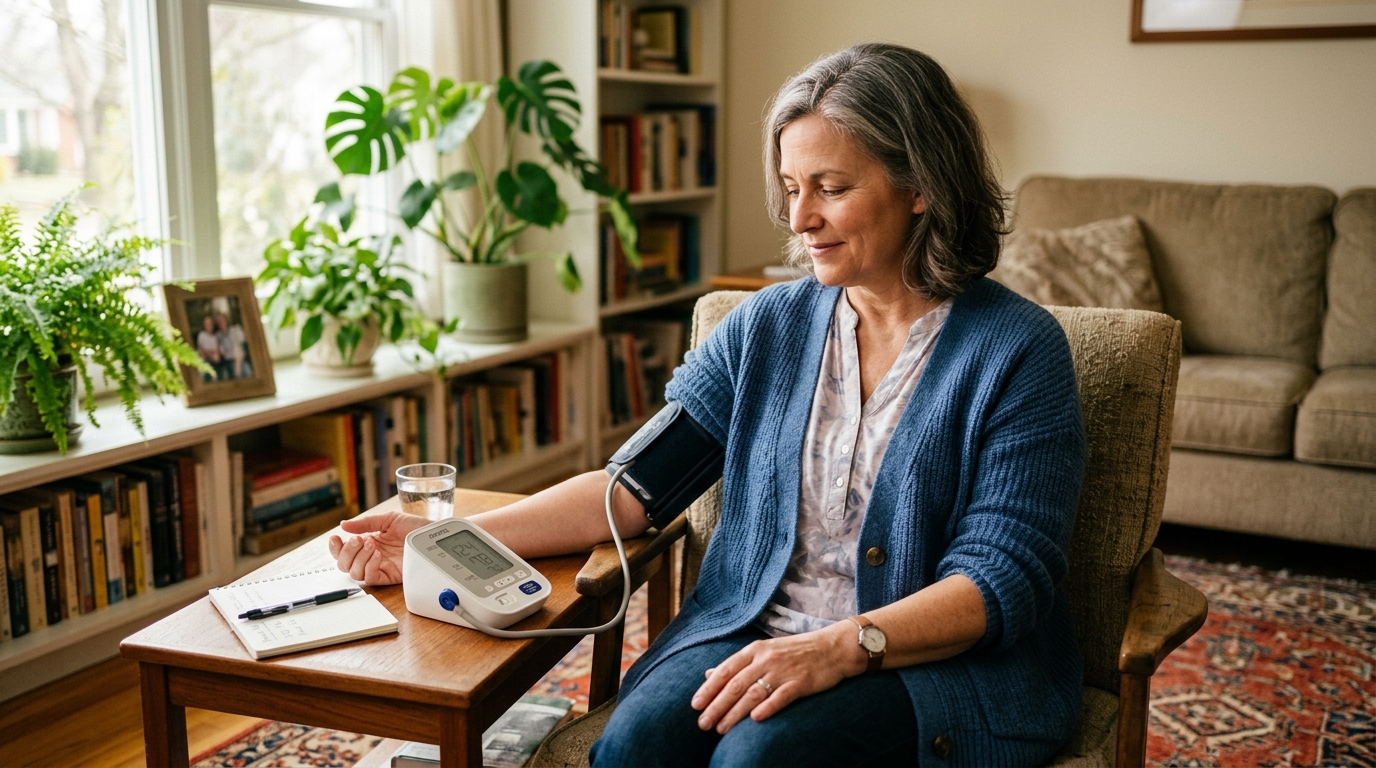
Longitudinal support for patients managing conditions such as heart failure, diabetes, COPD, and other chronic diseases.
Other Care Pathways
Navigator can be configured around the clinical pathway, patient population, and care model of each healthcare organization.
From Patient Conversation to Care-Team Action
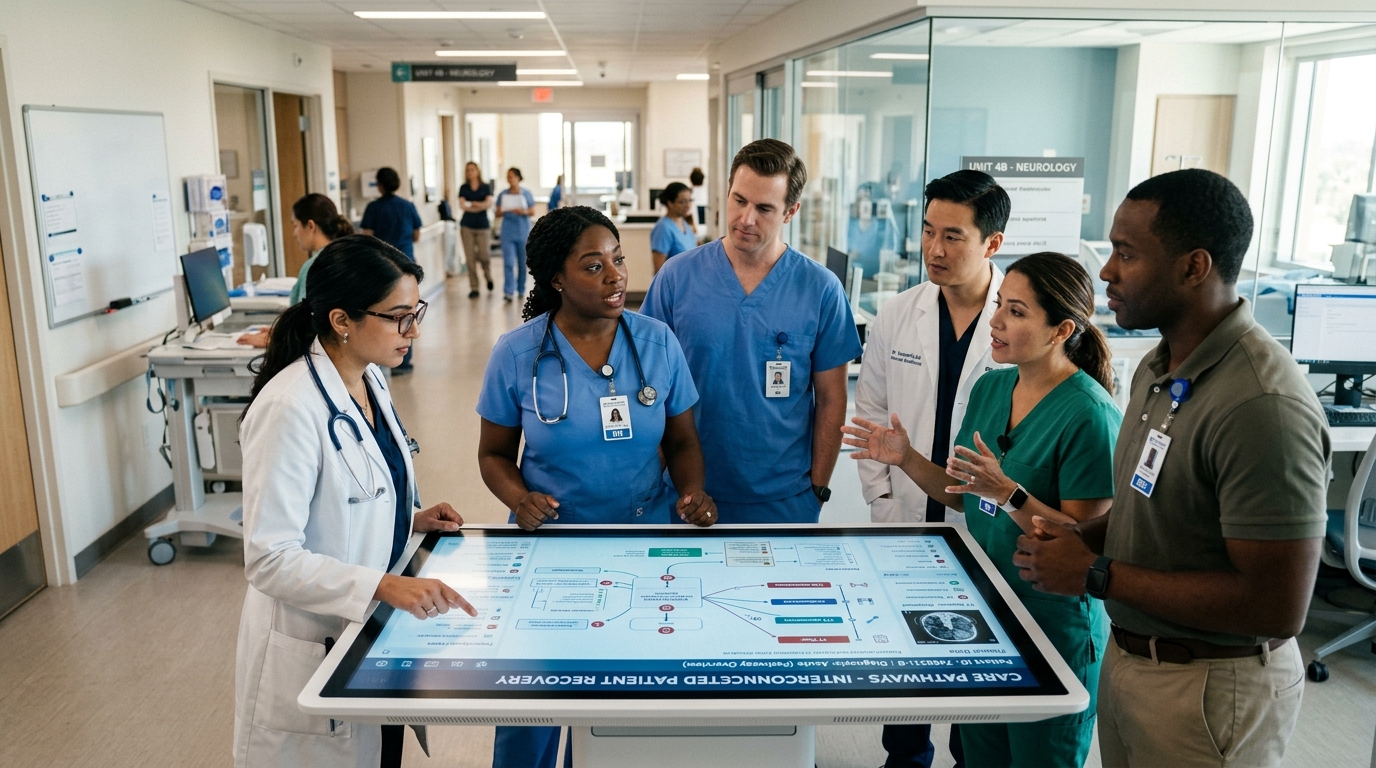
Navigator is designed around a simple principle: If patients are generating information, healthcare organizations should be able to act on it.
Personalize
The patient's discharge information and care pathway establish their individual journey.
Engage
Navigator checks in with the patient through personalized conversations and tasks.
Capture
Patients report symptoms, measurements, adherence, questions, and recovery progress.
Understand
AI organizes longitudinal information and identifies relevant changes according to configured workflows and rules.
Route
Relevant information is directed to the appropriate clinical or operational workflow.
Coordinate
Care teams can follow up, intervene, or continue monitoring according to their established processes.
Document
Relevant interactions and information can be integrated into the organization's digital care workflow.
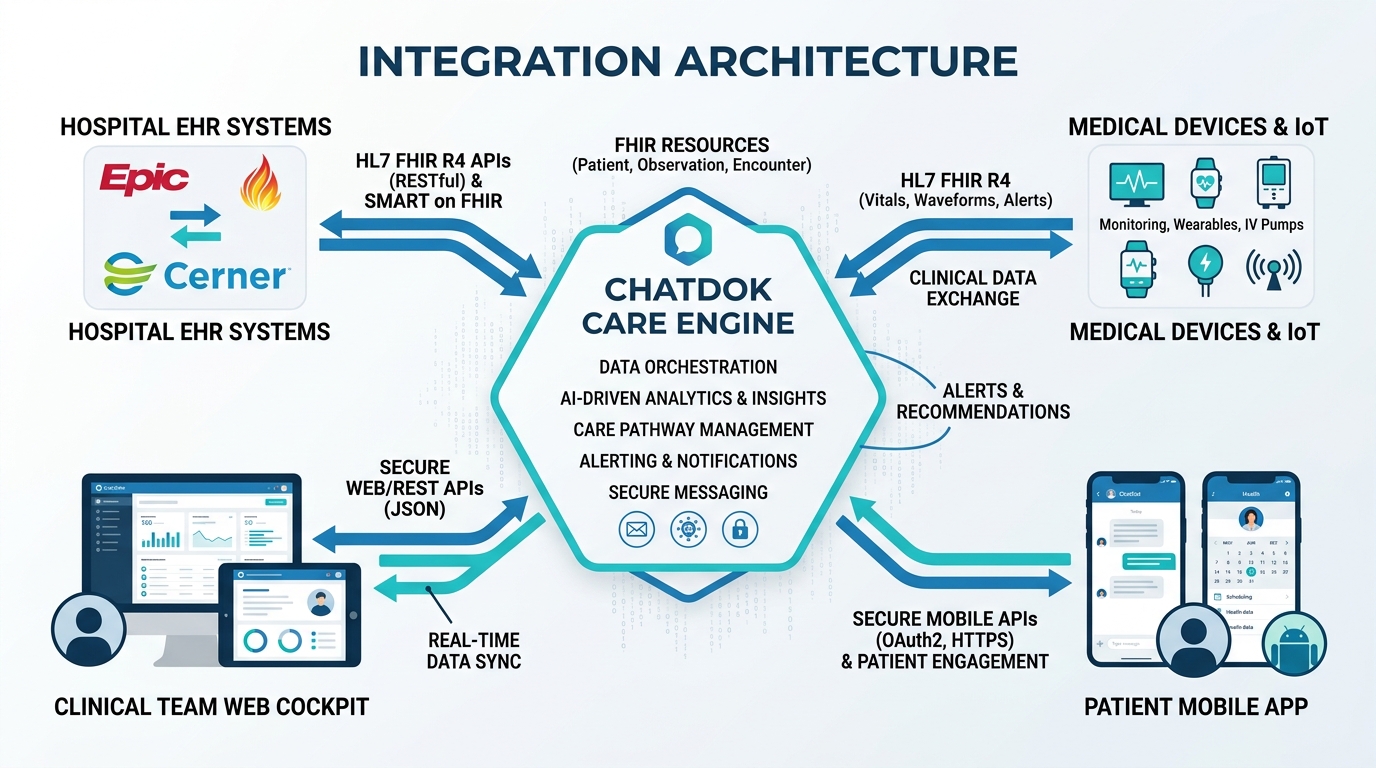
Connect to the Systems You Already Use
HL7 FHIR Integration
Connect relevant patient and care information through modern interoperable healthcare interfaces.
Existing EHR Workflows
Support integration with the organization's existing clinical information environment.
No New Hardware
Patients use their existing smartphones and available connected devices where applicable.
No Separate Patient Journey
Navigator is designed to become part of the patient's existing care pathway rather than requiring a completely separate healthcare experience.
Configurable Workflows
Organizations can define therapeutic pathways, patient cohorts, follow-up schedules, escalation criteria, and operational workflows.
EU-Hosted & GDPR-by-Design
Designed around European healthcare requirements, secure data handling, encryption, and role-based access.
Deployment Without Rebuilding Your IT Stack
From pilot to enterprise deployment
Navigator is designed for pragmatic implementation.
Select the Pathway
Choose a therapeutic area, department, patient population, or discharge pathway.
Define the Workflow
Agree on check-ins, patient tasks, clinical rules, escalation pathways, and care-team responsibilities.
Integrate
Connect Navigator with the relevant hospital or insurer infrastructure using interoperable interfaces.
Configure
Adapt the patient experience, care pathways, language, communication cadence, and workflows.
Launch
Deploy with a defined patient cohort and operational support.
Evaluate
Measure engagement, task completion, follow-up workload, pathway adherence, patient experience, and relevant clinical or economic outcomes.
Scale
Expand across departments, therapeutic areas, sites, or covered populations.
Built for Real Healthcare Environments
From innovation to deployment
ChatDok-Navigator has been selected for an EU4Health-funded multi-site pilot involving five university hospitals and has reached TRL 7, demonstrating the technology in relevant clinical environments.
The platform is being developed for integration into real-world healthcare workflows, including EHR connectivity and longitudinal patient support.
Navigator is designed not simply to demonstrate what AI can do, but to deploy it where care actually happens.
University hospitals in EU4Health pilot
Demonstrated in live clinical environments
Multi-site funded post-discharge deployment
Designed for the Patient
Simple for patients. Powerful for care teams.
Patients do not need to learn a new healthcare system. Navigator provides a familiar conversational experience.
Patients Experience
Care Teams Receive
Safety & Clinical Oversight
AI-supported. Clinician-led.
Navigator is designed to support healthcare professionals, not replace them.
The platform operates within configured care pathways and organizational protocols.
Clinical teams remain responsible for clinical decisions, diagnosis, treatment, and escalation.
Patient-reported information is clearly distinguished from clinically verified information, and relevant signals can be routed for human review.
The goal is not autonomous care. The goal is continuous care with better information at the right time.
Start With One Pathway. Build a Continuous Care Infrastructure.
Whether your priority is reducing manual post-discharge workload, improving patient engagement, strengthening care coordination, or building new longitudinal care models, Navigator can start with a focused pathway and expand over time.
Example deployment pathways


2026 - All Rights Reserved.