Healthcare has traditionally been designed to respond when something goes wrong. A patient develops symptoms, seeks medical attention, receives an assessment and treatment is adjusted accordingly.
Healthcare has traditionally been designed to respond when something goes wrong.
A patient develops symptoms, seeks medical attention, receives an assessment and treatment is adjusted accordingly.
This reactive model is essential for acute situations. But for people living with chronic conditions, it can leave an important gap: what happens before the next clinical encounter?
This is where AI could help move healthcare from reactive to more proactive and predictive care.
Chronic disease does not wait for appointments
Conditions such as cardiovascular disease can change gradually.
A patient's symptoms, vital signs, behaviour or other health indicators may change between appointments. Individually, these changes may not appear significant. Together, however, they can provide important context about how a person's health is evolving.
Traditional healthcare is not always designed to continuously interpret these signals.
AI can help by analysing relevant information over time and identifying patterns that may deserve attention.
The goal is not to predict everything.
It is to recognise meaningful changes early enough to support appropriate action.
From data to early signals
Predictive care is not simply about collecting more data.
It is about making better use of information that is already available.
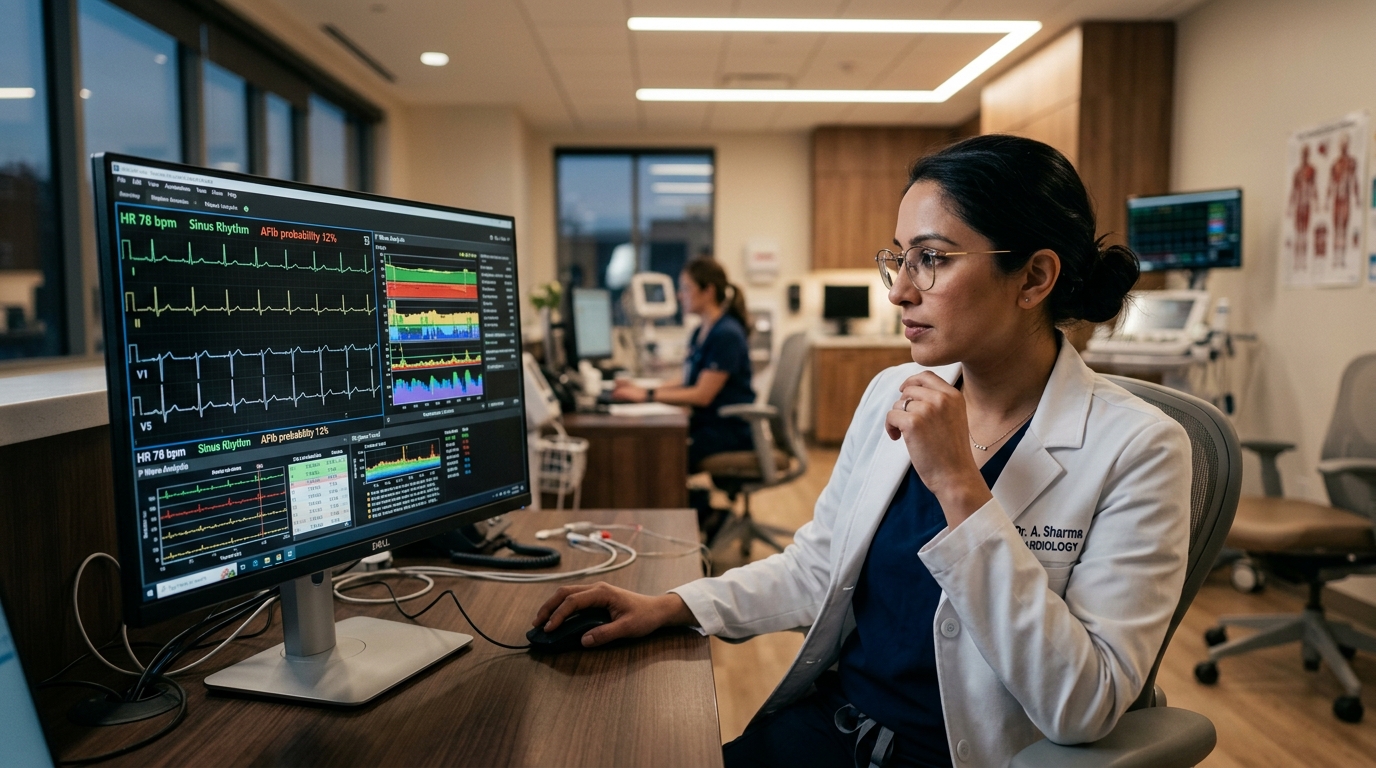
AI can potentially help identify changes across multiple sources of health information and bring relevant signals to the attention of patients or healthcare professionals.
For example, rather than waiting until a patient's condition has clearly deteriorated, an AI-supported system could help highlight a developing pattern that warrants closer attention.
That could support earlier conversations, additional monitoring or a review of the care plan — depending on the clinical context.
Importantly, an AI signal is not a diagnosis.
It is information that can help people decide whether further attention may be appropriate.
Earlier does not mean autonomous
Moving toward predictive care does not mean handing healthcare decisions to algorithms.
In a responsible model, AI should support rather than replace clinical judgement.
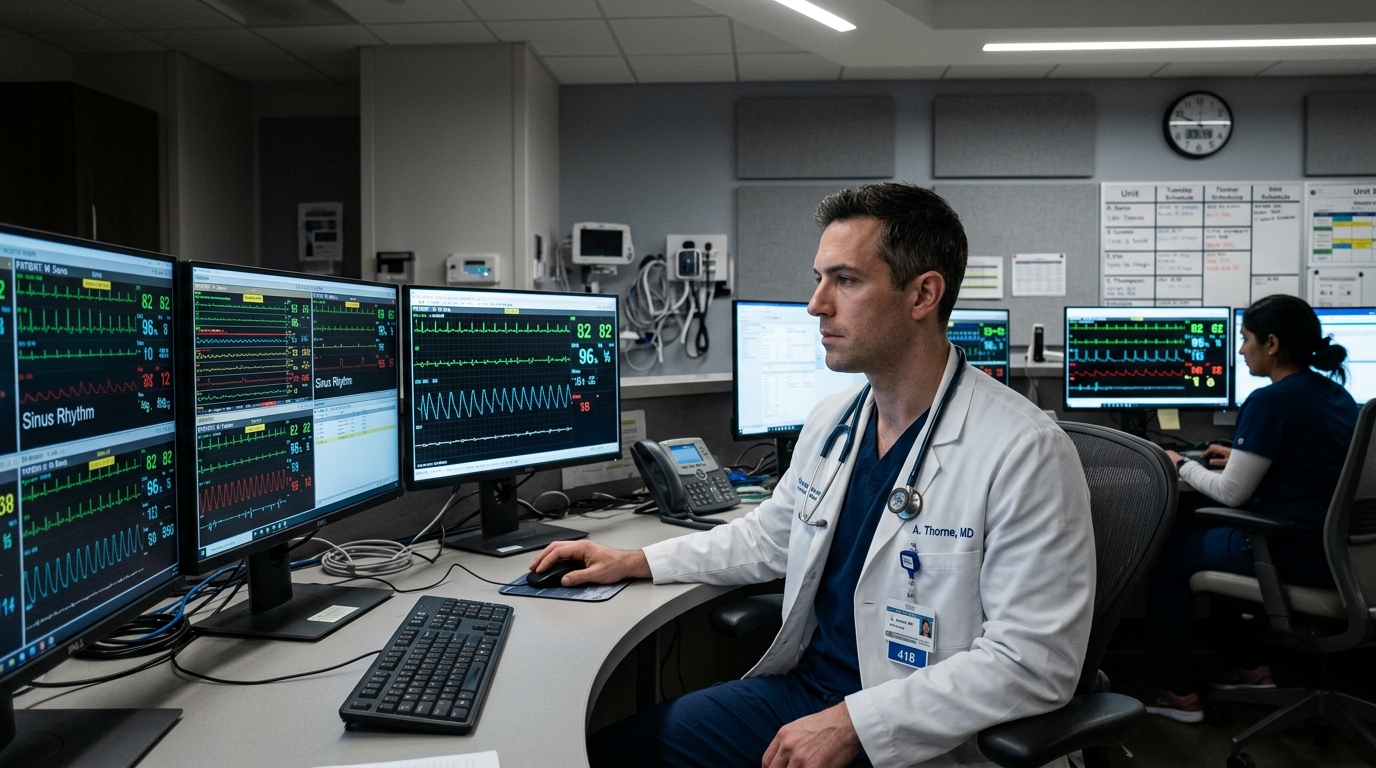
Healthcare professionals remain essential for interpreting information in context, considering the patient's individual circumstances and deciding what action, if any, is appropriate.
The role of AI is to help make relevant information visible at the right time.
This distinction matters.
A useful predictive system should not simply generate more alerts. It should help distinguish potentially meaningful changes from information that does not require action.
Why timing matters
Earlier intervention does not necessarily mean more intervention.
It means creating the opportunity to respond before a situation becomes more difficult to manage.
For patients, this can mean better support between appointments.
For healthcare professionals, it can mean access to relevant signals without having to search through large amounts of information.
For healthcare systems, it can contribute to a shift from responding to deterioration toward supporting prevention and earlier action.
The value of predictive healthcare therefore lies not in prediction alone.
Prediction becomes valuable when it can lead to meaningful, timely care.
Building predictive care responsibly
Predictive healthcare requires more than sophisticated AI models.
It depends on high-quality data, clinical validation, transparent systems, appropriate human oversight and integration into real healthcare workflows.
It also requires knowing when AI should not make a recommendation.
At Chatdok, we believe the future of healthcare AI is not about replacing the clinician or automating every decision.
It is about creating continuous intelligence that can help patients and healthcare professionals see relevant changes earlier and act when it matters.
The journey from reactive to predictive care is ultimately a journey from waiting for problems to become obvious toward recognising meaningful signals earlier.
AI can support that transition — when it is designed around clinical needs, responsible use and human judgement.
 Research & Outlook
  Research & Outlook
  Research & Outlook